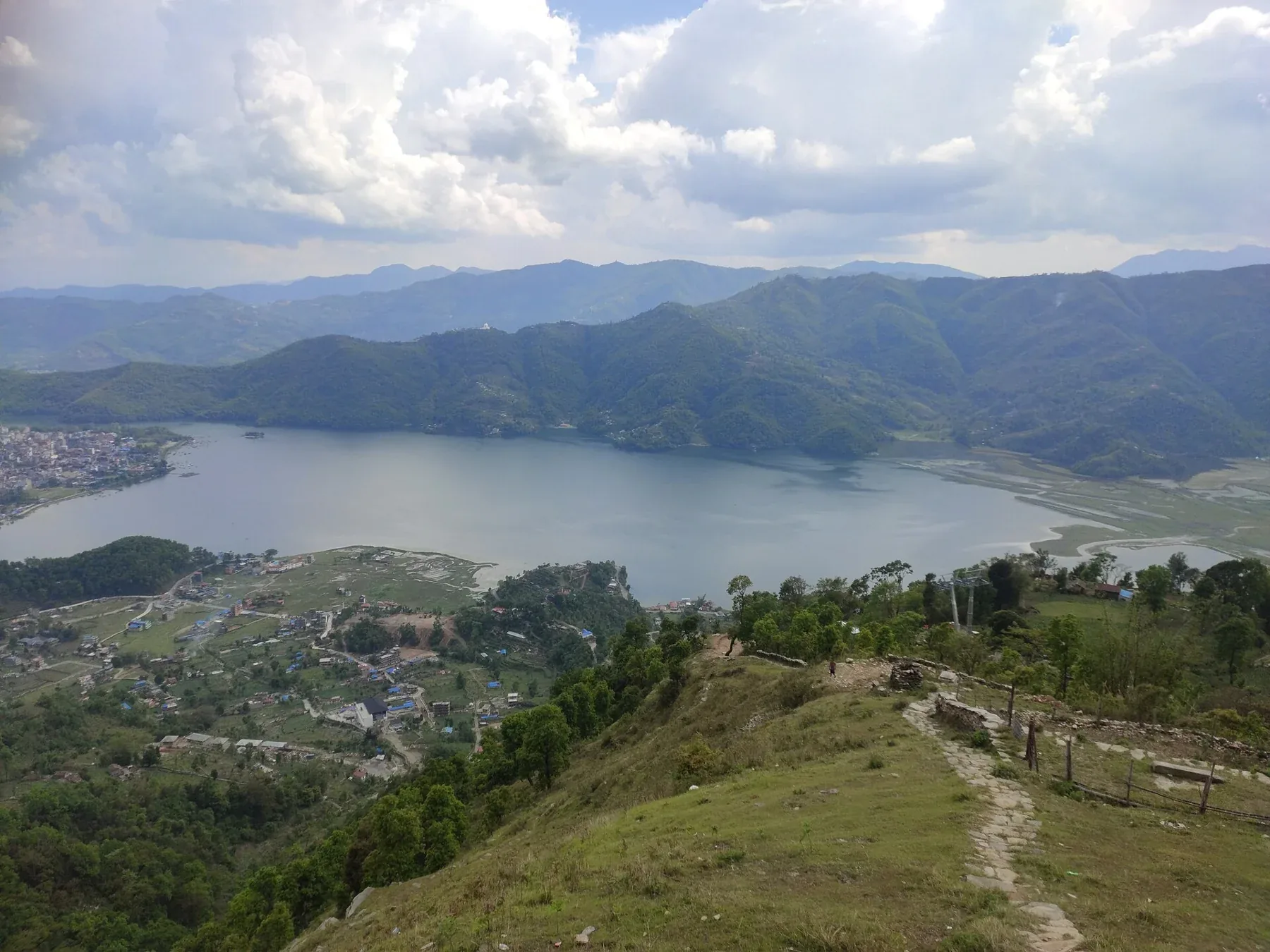
Kathmandu–Pokhara Private Road Journey Guide
Plan hotel pickups, stops, luggage and onward connections for a private journey between Kathmandu and Pokhara.
Define both ends before comparing a journey time
A Kathmandu hotel pickup, a pickup elsewhere in the valley and an airport meeting do not start at the same point. The Pokhara accommodation area also matters. Share both pins so a proposed schedule refers to your door-to-door journey rather than a generic city pair.
Treat the road plan as date-specific
A published transfer duration is not a live road report. Ask the operator to review the intended route, departure time, road works and weather-related disruption close to travel. The Department of Roads is the official reference linked below; this page does not certify that a road is open right now.
Plan stops around comfort
List essential meal, toilet and rest breaks when requesting the quote. Tell the operator about travel sickness, children or mobility needs so the plan can allow for them. A detour for sightseeing should be priced and scheduled separately from ordinary comfort stops.
Protect flights and other fixed connections
Do not rely on a guaranteed road arrival for an international departure. Discuss a Kathmandu overnight buffer and check your airline’s requirements. If travelling onward from Pokhara to a trek, give the next transfer time and make sure there is a fallback if the city transfer is delayed.
Luggage after a trek
Count large duffels and suitcases as well as daypacks. If bags are stored at a different hotel, include the collection address. Ask how the proposed vehicle will accommodate the group and luggage without assuming that a larger-looking vehicle has spare usable space.
Choose one-way or return deliberately
A one-way transfer suits an itinerary continuing elsewhere. A return request needs a second date and clarity on whether the vehicle stays with you. If Chitwan is the next stop, compare a circuit proposal rather than automatically returning to Kathmandu between destinations.
Departure-day checklist
Confirm pickup pin, driver contact, passenger count, luggage, payment arrangements and your destination contact. Keep essential items accessible. If current advice makes your schedule unrealistic, ask to revise the plan before starting rather than trying to recover time on the road.
Read the route as a corridor, not a guaranteed schedule
Published operator itineraries describe the Kathmandu–Naubise–Mugling–Damauli–Pokhara corridor. This helps place potential breaks and understand why a journey crosses several road sections. It does not prove a particular road is open, certify current works or settle your door-to-door duration.
Check Department of Roads notices and ask the transport provider about the intended route close to departure. A city weather forecast is only one planning input: conditions at the Kathmandu hotel cannot describe every river valley or hill section between the cities.
Bandipur is a visit rather than a comfort break
Nepal Tourism Board describes Bandipur as a hill-town destination with a walking and heritage appeal. To enjoy it, allocate time for the approach and the visit itself. Naming it as a lunch stop without discussing the detour can lead to a different itinerary from the direct transfer you priced.
If the group values an unhurried visit, consider whether an overnight or a separate excursion fits better than adding it to a long travel day. For ordinary comfort breaks, focus on toilets, meals and stretching rather than committing to a fixed attraction timetable.
Before you book
Does a clear Kathmandu forecast mean the whole road is clear?
No. The city forecast covers a location, not the entire road corridor. Check route-specific advice and official notices as well.
Can I include Bandipur in the transfer?
You can request it. Confirm the detour, time outside the car, waiting and revised fare before booking rather than treating it as an ordinary rest break.
Is the fare or vehicle confirmed when I send an enquiry?
No. WhatsApp opens a draft with your trip details. Request a written quote confirming price, vehicle, inclusions and payment or cancellation conditions before accepting a booking.
Can I book without a fixed travel date?
Use the dates-undecided enquiry link and describe your intended month or date range. The final quote and availability will need exact dates.
Sources & travel planning notes
Source review: 2026-10-03. Official guidance can change. Commercial references establish product context. NepalTaxi tariffs are separately owner-confirmed. Labelled third-party market references are advertisements, not NepalTaxi tariffs; vehicle availability and final inclusions require a quote.
Put your plan into motion
Ready to discuss your journey?
Send your route, dates and group details for a current quote.